
Bridging consumer protection and standards
在消费者保护和标准之间搭建桥梁——专访国际标准化组织消费者政策委员会主席 文恩淑
China Standardization: Could you share your personal journey into standardization? What first attracted you to this field?
Eunsook Moon: I come from the Korean Institute of Consumer Safety and Standards. My career began with work on consumer policies, general consumer safety and protection.
Over time, I came to realize that policy measures alone are insufficient to fully protect consumers worldwide. A global protection framework is needed for global consumers. Alongside policy initiatives, international standards—in particular—are indispensable. This is what motivated me to engage in international standardization work.
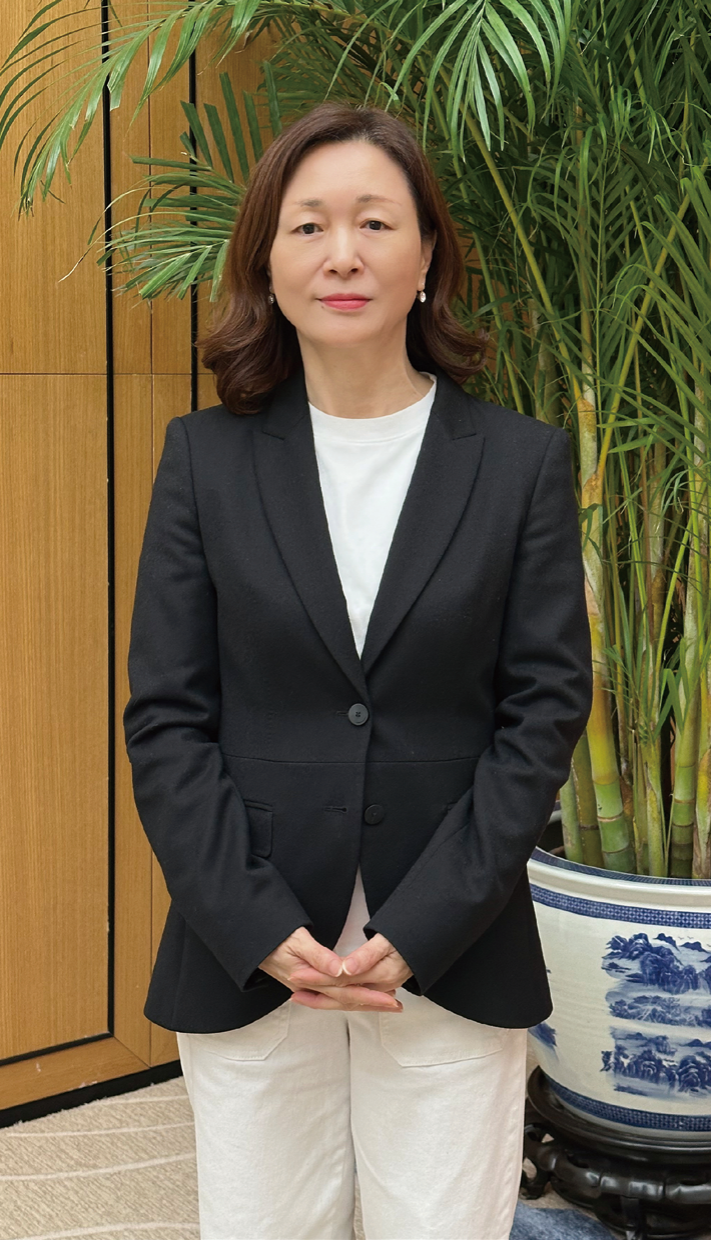
Photo: CSP
How is your current visit to China? From your perspective, what are the notable similarities and differences between China and South Korea in terms of standardization governance and industrial development?
Eunsook Moon: China and South Korea are neighboring countries with shared cultural roots, so I feel very much at home here.
In the realm of international standardization, China has emerged as a major and influential player, delivering remarkable progress in advancing international standardization. Compared with South Korea, China boasts a far larger scale of development and well-coordinated institutional arrangements. For example, non-governmental organizations effectively support government authorities in standardization efforts.
As a smaller country, South Korea is also committed to participating in international standards development, yet there remains considerable room for further progress.
Our two countries share much in common in cultural heritage and civilization, as well as similar consumption patterns. This creates a broad space for joint cooperation and collaborative development, making Chinese culture very familiar to me.

What are priorities of ISO’s Committee on Consumer Policy (COPOLCO) for 2026? In which key areas do you expect deeper cooperation between COPOLCO and China in the coming year?
Eunsook Moon: I highly appreciate the strong support that the National Standardization Administration of China (SAC) has provided for this year’s plenary meeting. Importantly, this year’s core themes center on AI and digital consumer rights. Beyond serving as a platform for member discussions, we aim to formulate practical action plans under these themes. SAC has offered tremendous backing, and we are confident of a highly successful plenary session this year.
Culturally, many similarities exist between our countries in lifestyle, dining habits and interpersonal communication, as well as consumer behavior patterns. As COPOLCO Chair, I strongly encourage China to take an even more active role in COPOLCO’s work.
Asia has a huge consumer population, and we need to represent regional consumer voices, address their concerns, and integrate consumer perspectives into standardization processes to deliver practical solutions. There are extensive areas where China and South Korea can cooperate and contribute jointly.
How does COPOLCO encourage broader consumer participation in standardization activities?
Eunsook Moon: This is a critical, systemic challenge for COPOLCO. In many countries, particularly developing economies, sustainable consumer engagement in standardization is not yet a priority.
We are working to encourage national standards bodies to facilitate meaningful consumer participation—not merely symbolic involvement, but substantive engagement that enables consumers to voice their views and even propose new standardization projects. This challenge is shared by China, South Korea and many other nations, presenting great potential for joint collaboration.
I strongly recommend that SAC strengthens engagement with consumer organizations. These bodies possess professional expertise and can bring valuable consumer insights and perspectives into standardization work. COPOLCO actively encourages national standards bodies to communicate and collaborate closely with consumer organizations and involve them in related initiatives.
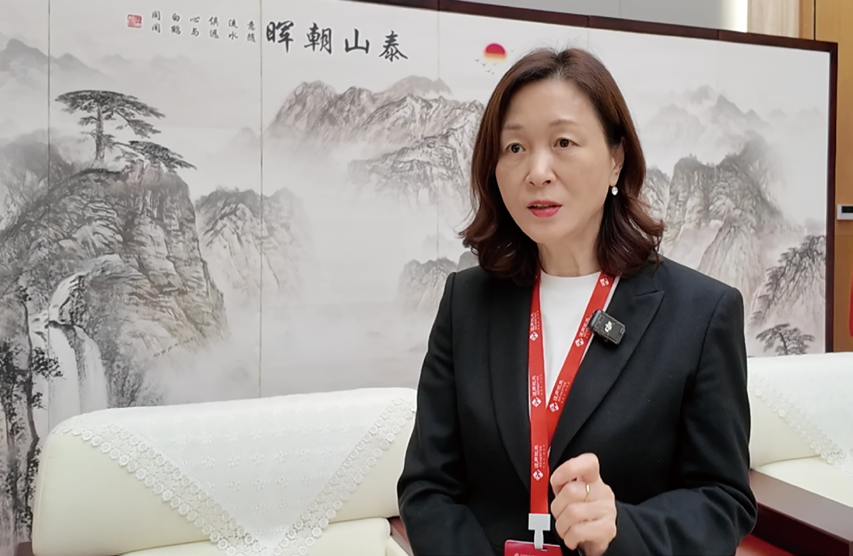
Photo: CSP
The 47th ISO/COPOLCO Plenary Meeting and workshops will be held in May in Haikou, South China’s Hainan province. What specific outcomes do you expect from this event?
Eunsook Moon: We adopt important resolutions at our annual plenary meeting. This year, we aim to deliver actionable resolutions to safeguard consumer safety amid AI-driven digital transformation. We hope to achieve concrete, practical outcomes at this session.
China has become a key participant in international standardization and continues to deepen its involvement in global governance.What suggestions would you offer to further strengthen China’s national standardization system and elevate its influence in international standardization?
Eunsook Moon: As an ISO Council Member, China already holds strong influence and maintains high engagement in international standardization. My main suggestion is to sustain and expand its active participation in COPOLCO as well.
It would be valuable to bring more Chinese consumer organizations to COPOLCO events. We welcome not only participation from national standards bodies at COPOLCO plenaries and workshops, but also direct involvement of consumer experts from relevant organizations. I sincerely hope China will bring more representatives and leaders from consumer organizations to attend this year’s COPOLCO plenary in Haikou.
采访/曹欣欣 方洛凡
(Interviewed by Cao Xinxin and Fang Luofan)
